
Movies have always reflected changes in technology, culture, and society. From silent black-and-white films shown in early theaters to high-quality productions available instantly through streaming platforms, the movie industry has experienced remarkable transformation. The way movies are created, distributed, watched, and discussed has changed significantly over time. Understanding this evolution provides insight into how technology has reshaped entertainment and consumer habits.
The Early Days of Cinema
The history of modern movies began with short silent films. Early filmmakers relied on basic cameras and physical film to capture moving images. Since synchronized dialogue was not yet available, stories were communicated through visual acting, gestures, title cards, and live musical accompaniment.
Cinema quickly became a popular form of entertainment. Dedicated theaters provided audiences with an opportunity to experience moving images collectively. Going to the cinema gradually became a social activity rather than simply a way to watch a story.
The Rise of Sound and Color
One of the biggest developments in movie history was the introduction of synchronized sound. Sound films allowed audiences to hear dialogue, music, and sound effects, creating a more immersive experience.
Color filmmaking developed gradually as well. As color technology improved, filmmakers could use visual design more effectively to create atmosphere and emotion. These innovations helped establish movies as one of the most influential forms of popular entertainment.
The Golden Age of Movie Theaters
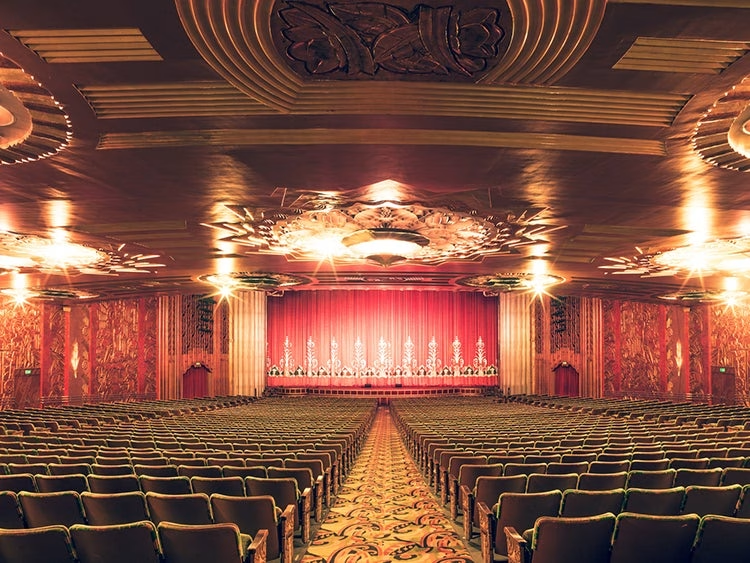
As the film industry expanded, large movie studios and theaters became central to entertainment. Cinemas offered carefully designed environments with large screens, powerful sound systems, and comfortable seating.
Going to the movies became an event for families, couples, and groups of friends. Major releases attracted large audiences, and movie stars became internationally recognized celebrities. The theatrical experience remained the primary way most people watched new films.
The Home Video Revolution
The relationship between audiences and movies changed significantly with the development of home video. VHS tapes allowed people to rent or purchase movies and watch them at home.
Later, DVDs provided improved picture and sound quality while making movies easier to store and access. Home video also introduced viewers to special features such as behind-the-scenes footage, commentary, deleted scenes, and additional content.
Digital Technology Changes Filmmaking
Digital cameras and computer-generated imagery transformed movie production. Filmmakers gained new tools for creating visual effects, editing footage, correcting images, and developing complex fictional environments.
Digital distribution also became increasingly common. Instead of relying entirely on physical film prints, studios could distribute movies digitally to theaters and other outlets. This made certain aspects of production and distribution more efficient.
The Rise of Online Viewing
The internet introduced another major change. As broadband connections became faster and more widely available, people increasingly consumed entertainment online.
Digital downloads and online rental services allowed viewers to access movies without visiting a physical store. This represented an important transition toward on-demand entertainment.
The Streaming Era
Streaming services fundamentally changed how audiences access movies. Instead of waiting for a DVD or scheduling a theater visit, viewers can select content from a digital library and begin watching almost immediately.
Streaming has also changed movie production. Digital platforms increasingly invest in original films and compete for subscribers through exclusive content. Some movies are released primarily or entirely through streaming, while others continue to receive theatrical releases before becoming available online.
How Streaming Changed Viewing Habits
Streaming has made movie watching more convenient and personalized. Viewers can watch films on televisions, computers, tablets, and smartphones. Recommendations based on viewing behavior can also help audiences discover new content.
However, the abundance of choices can sometimes make it difficult to decide what to watch. Movies are also competing with television series, short-form videos, social media, gaming, and other forms of digital entertainment.
The Future of Movies
The movie industry is likely to continue evolving as technology advances. Improvements in visual effects, artificial intelligence, virtual production, immersive audio, and interactive entertainment may create new filmmaking possibilities.
At the same time, traditional cinemas continue to offer something streaming cannot fully reproduce: a shared experience on a large screen with an audience. Major theatrical releases may therefore continue to coexist with digital distribution.
Conclusion
The evolution of movies from early cinema to streaming has been shaped by technological innovation and changing audience expectations. Silent films gave way to sound and color, theaters were complemented by home video, and physical media eventually gave way to digital platforms. Despite these changes, the fundamental purpose of movies remains the same: telling stories, creating emotions, and bringing people into imagined worlds. The future may change how audiences watch movies, but the appeal of great storytelling is likely to remain.